AI Assistants
AI-powered assistants, writing tools, and language model platforms for text generation, code assistance, and document analysis. European AI providers process your prompts and data within EU infrastructure, ensuring that confidential business information and personal data shared with AI stays under GDPR protection.
What to Look For
GDPR Considerations
AI assistants process whatever data users feed them: confidential business documents, customer communications, legal contracts, HR records, source code with embedded credentials, and casual queries that may contain personal information. Unlike most SaaS tools where data flows are predictable, AI assistants receive unstructured input that can contain any type of sensitive data. When your AI assistant is operated by a US company like OpenAI or Microsoft, every prompt and its context is processed on US infrastructure. The GDPR implications are significant. AI providers may use prompts to train their models, meaning your confidential data could influence responses given to other users. Even when training on user data is disabled, the prompts themselves are processed and potentially logged on US servers subject to the CLOUD Act. European AI providers process all inference within the EU, offer clear data processing agreements, and provide transparency about whether and how prompts are used for model improvement. For businesses handling personal data, choosing an EU-based AI provider is essential to maintaining the confidentiality commitments you have made to your customers and employees.
How to Choose
With 6 European ai assistants options available, choosing the right one depends on your priorities. Here's a quick guide:
On a budget or just exploring
LanguageTool, DeepL Write, Duden Mentor, Mistral AI, DeepL offer free tiers
Need code transparency or self-hosting
LanguageTool, Mistral AI are open source
Enterprise procurement requirements
DeepL Write, Aleph Alpha, DeepL hold ISO 27001
Specific data residency requirements
Data hosted in Germany, Finland, France
European AI Assistants Software
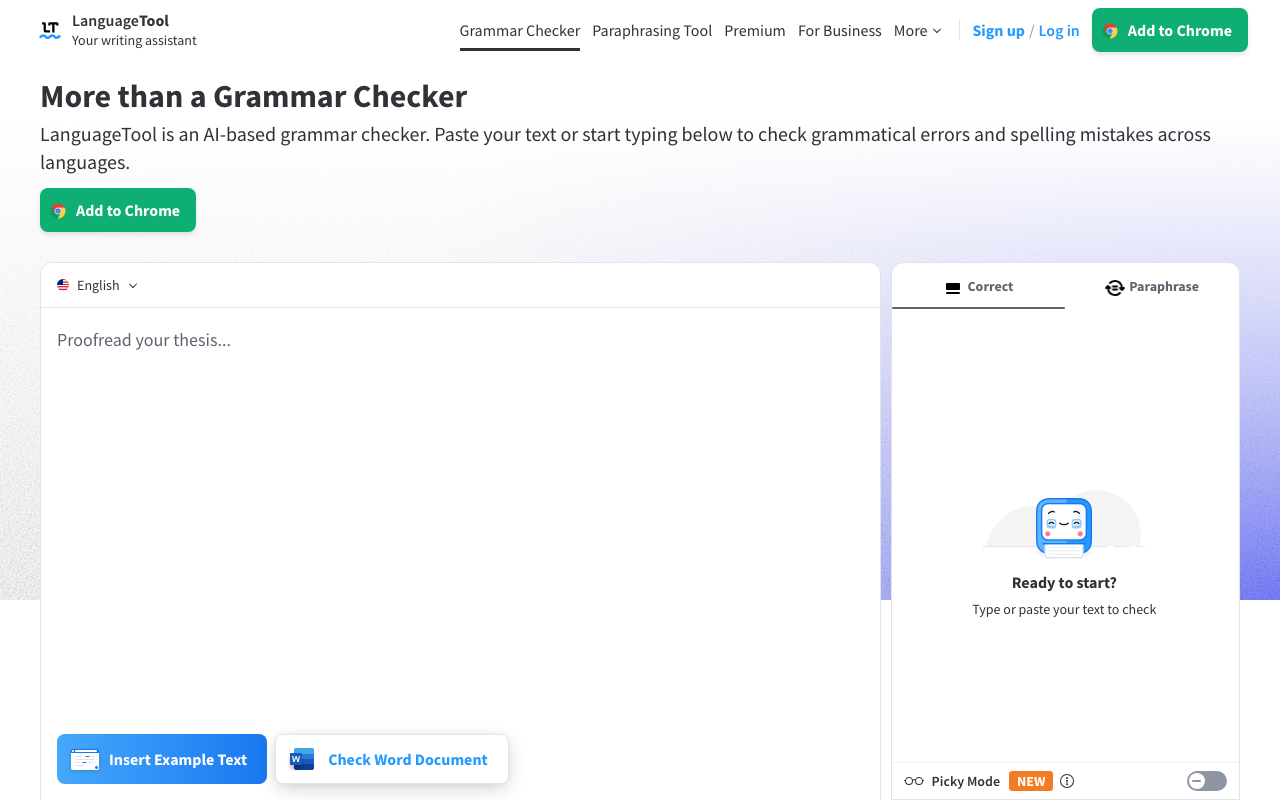

LanguageTool
Open source multilingual grammar and style checker from Germany
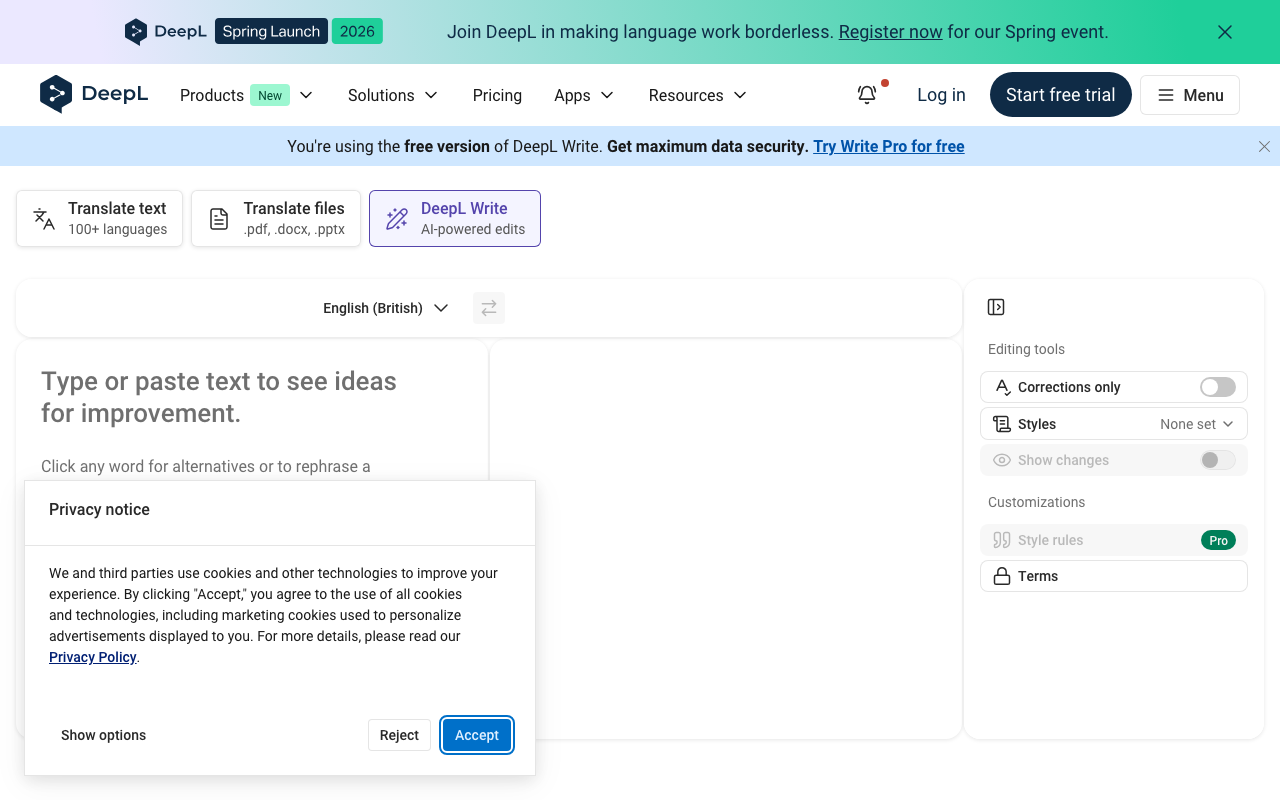
DeepL Write
AI-powered writing assistant from Germany's leading translation company
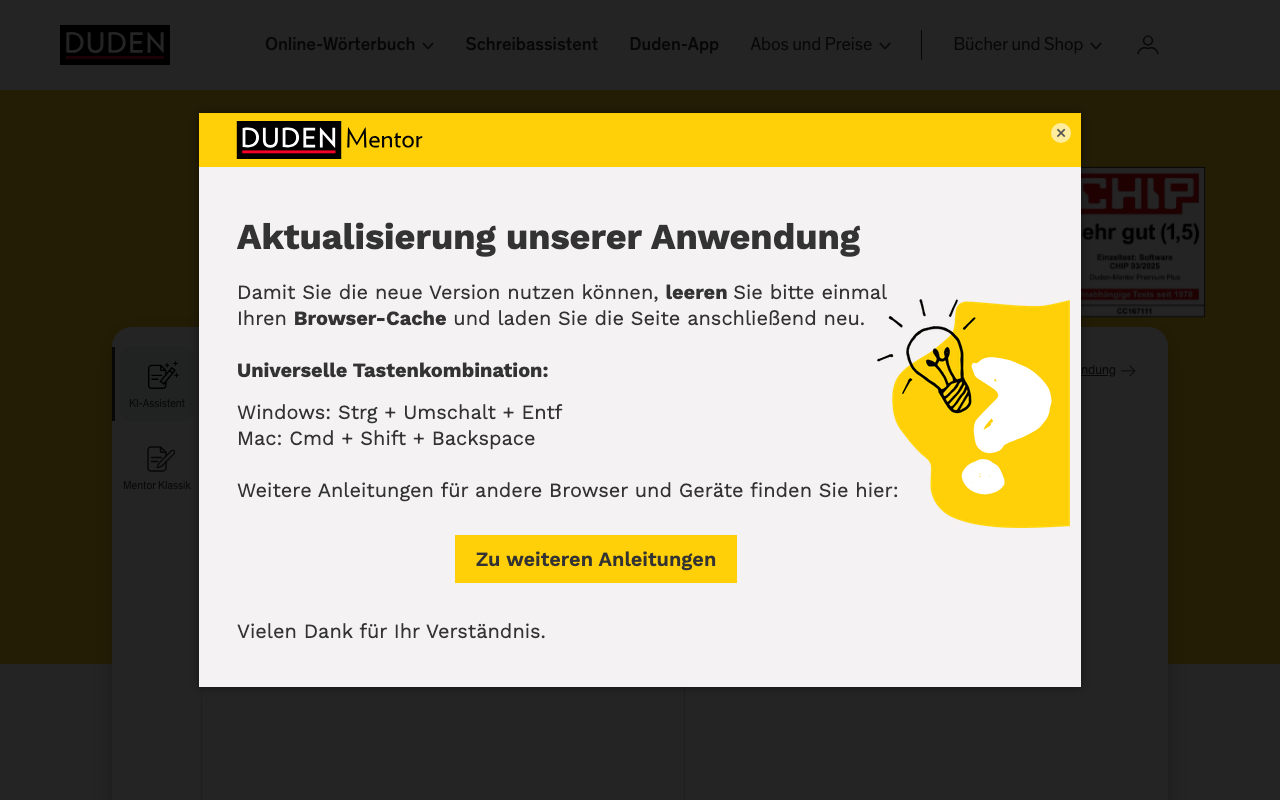

Duden Mentor
Authoritative German language writing assistant by Duden
Mistral AI
French open-weight AI models and platform rivaling the best in the world

Aleph Alpha
German sovereign enterprise AI platform with on-premises deployment
DeepL
German AI-powered translation service with unmatched linguistic quality