GDPR-Compliant CMS & Website Builder
Your website is often the first point of data collection in your business. Contact forms, newsletter signups, analytics scripts, comment sections, and e-commerce checkouts all process personal data from visitors. A CMS hosted on US infrastructure means this visitor data, including IP addresses, form submissions, and behavioral tracking, flows through servers subject to foreign jurisdiction. European CMS platforms and website builders process all visitor interactions within the EU. They also tend to be more thoughtful about default privacy settings, avoiding the invasive third-party scripts and tracking pixels that US-centric platforms bundle by default. For businesses that want a GDPR-compliant web presence without constant plugin auditing, a European CMS provides a cleaner foundation.
GDPR Compliance Checklist
Compliant Products (5)
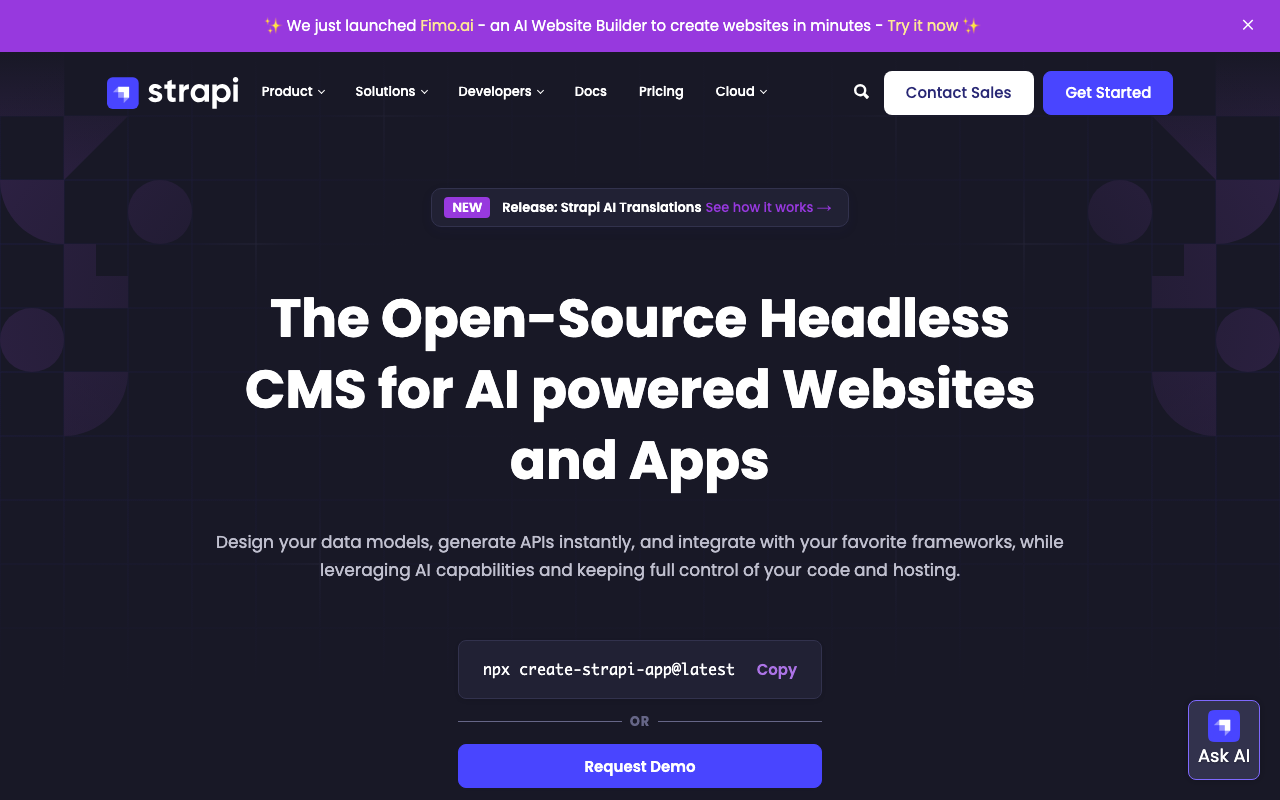

Strapi
Open source headless CMS
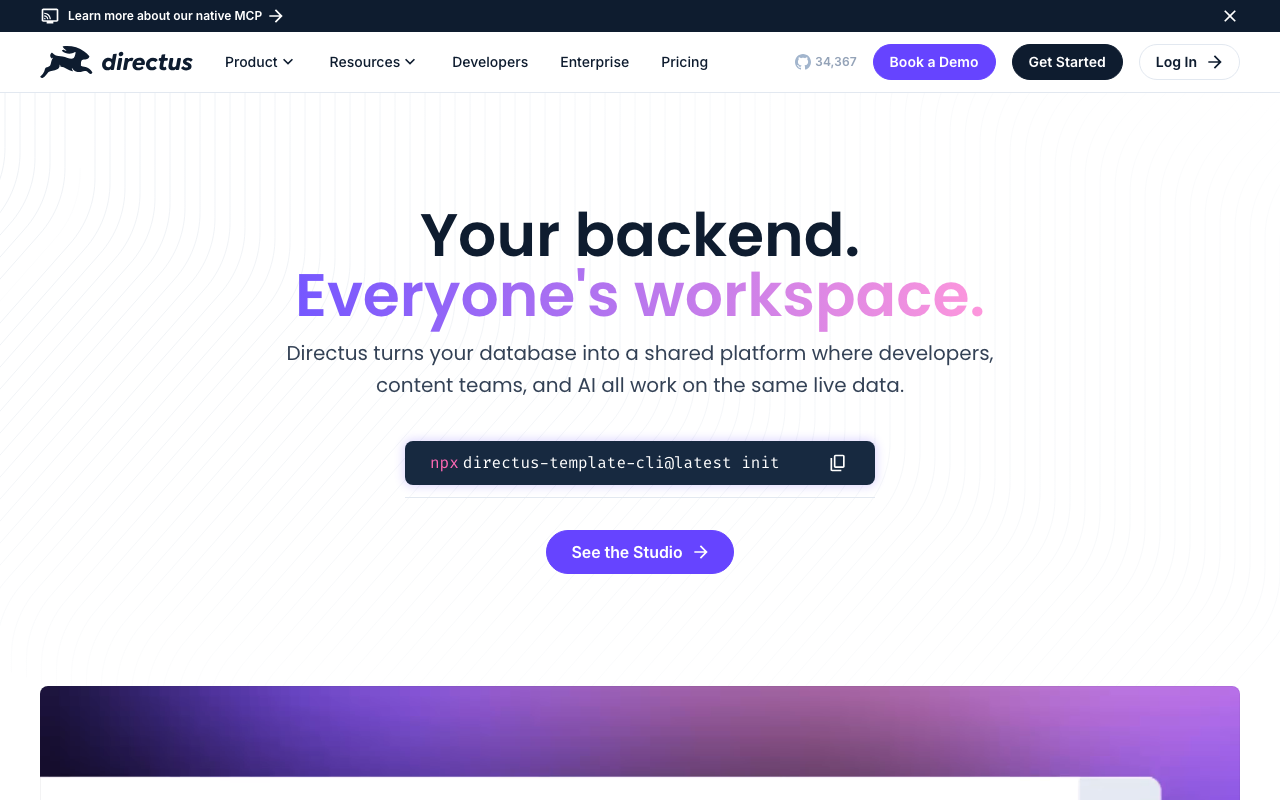

Directus
Open source headless CMS and data platform
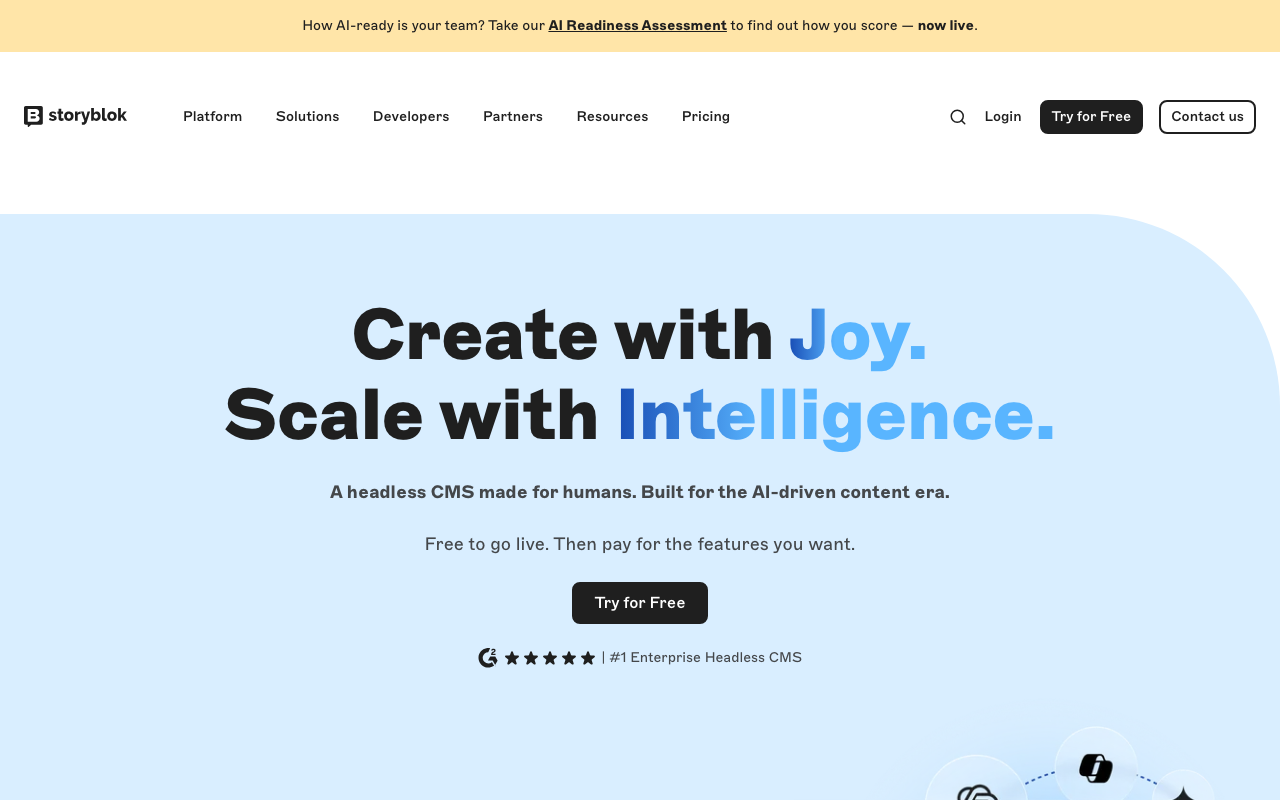

Storyblok
Visual headless CMS for developers and content teams


Jimdo
AI-powered website builder from Germany

Webador
Simple and affordable Dutch website builder
What Makes a CMS & Website Builder GDPR Compliant?
Is WordPress GDPR-compliant for European businesses?
Do website builders like Wix and Squarespace comply with GDPR?
How does a CMS handle personal data from contact forms and comments?
Get Started
Looking for Alternatives?
Where These Products Host Data
Other GDPR-Compliant Categories
Discover GDPR-compliant European file storage alternatives to Google Drive and Dropbox. Keep your data in the EU.
Find European email hosting providers with end-to-end encryption and GDPR compliance. Secure alternatives to Gmail and Outlook.
European cloud hosting and IaaS alternatives to AWS, Azure, and Google Cloud with full EU data residency.
GDPR-compliant European alternatives to Slack, Teams, and Zoom for secure team collaboration and messaging.
Related Pages
Browse all cms & website builder products
Open source headless CMS
Open source headless CMS and data platform
Visual headless CMS for developers and content teams
AI-powered website builder from Germany
Simple and affordable Dutch website builder