GDPR-Compliant Code Hosting

Source code repositories contain far more than just code. Commit histories include developer names and email addresses, issue trackers store bug reports that may reference customer data, pull request discussions contain team member identities and technical decisions, and repositories often include configuration files with credentials or customer-specific logic. Under GDPR, developer personal data in commit histories and the potential for customer data in issues and configs makes code hosting a data protection concern. Beyond personal data, source code is often the most valuable intellectual property in a software business. When hosted on US-based platforms, your proprietary code is subject to US jurisdiction. European code hosting providers store your repositories, issues, and development workflows entirely within the EU, protecting both the personal data of your development team and the sovereignty of your intellectual property.

GDPR Compliance Checklist

1 Data stored in EU/EEA
2 Data Processing Agreement available
3 GDPR-compliant privacy policy
4 Right to data portability
5 Right to erasure (right to be forgotten)
6 Data breach notification procedures
7 All repositories, issues, and development metadata stored on EU-based infrastructure
8 Developer personal data in commit histories managed with GDPR-compliant retention policies
9 Role-based access controls and audit logs for repository access and administrative actions

Compliant Products (2)

What Makes a Code Hosting GDPR Compliant?

Is GitHub safe for hosting proprietary source code as an EU company?
GitHub is owned by Microsoft, a US company subject to the CLOUD Act. US authorities can legally compel Microsoft to provide access to data stored on GitHub's servers, including private repositories. While GitHub offers data residency options for some enterprise features, the core repository hosting infrastructure is US-based. For businesses with proprietary code that constitutes a competitive advantage or trade secrets, this jurisdictional exposure is a business risk beyond GDPR. European code hosting platforms store your repositories exclusively on EU infrastructure, providing both data protection and intellectual property sovereignty.
Do Git commit histories contain personal data under GDPR?
Yes. Every Git commit includes the author's name and email address, creating a permanent personal data record in the repository history. Over time, commit histories build a detailed profile of individual developer activity: when they work, what they work on, and how frequently they contribute. Issue trackers add further personal data through assignee names, reporter details, and comment threads. Under GDPR, this developer personal data requires proper processing grounds and the ability to handle data subject requests. European hosting platforms understand these requirements and offer tools for managing developer personal data in repositories.
Can European code hosting platforms handle large teams and enterprise workflows?
European code hosting platforms like Gitea, Codeberg, and self-hosted GitLab support the workflows that enterprise development teams need: branch protection rules, mandatory code reviews, role-based access controls, and integration with CI/CD pipelines. Self-hosted GitLab on EU infrastructure offers feature parity with GitLab.com while keeping all data within your own EU environment. For most development teams, the core features of pull requests, issue tracking, and code review are fully mature on European platforms. The primary difference is typically the breadth of third-party integrations and marketplace extensions.

Get Started

GitLab

Complete DevOps platform in a single application

Try GitLab

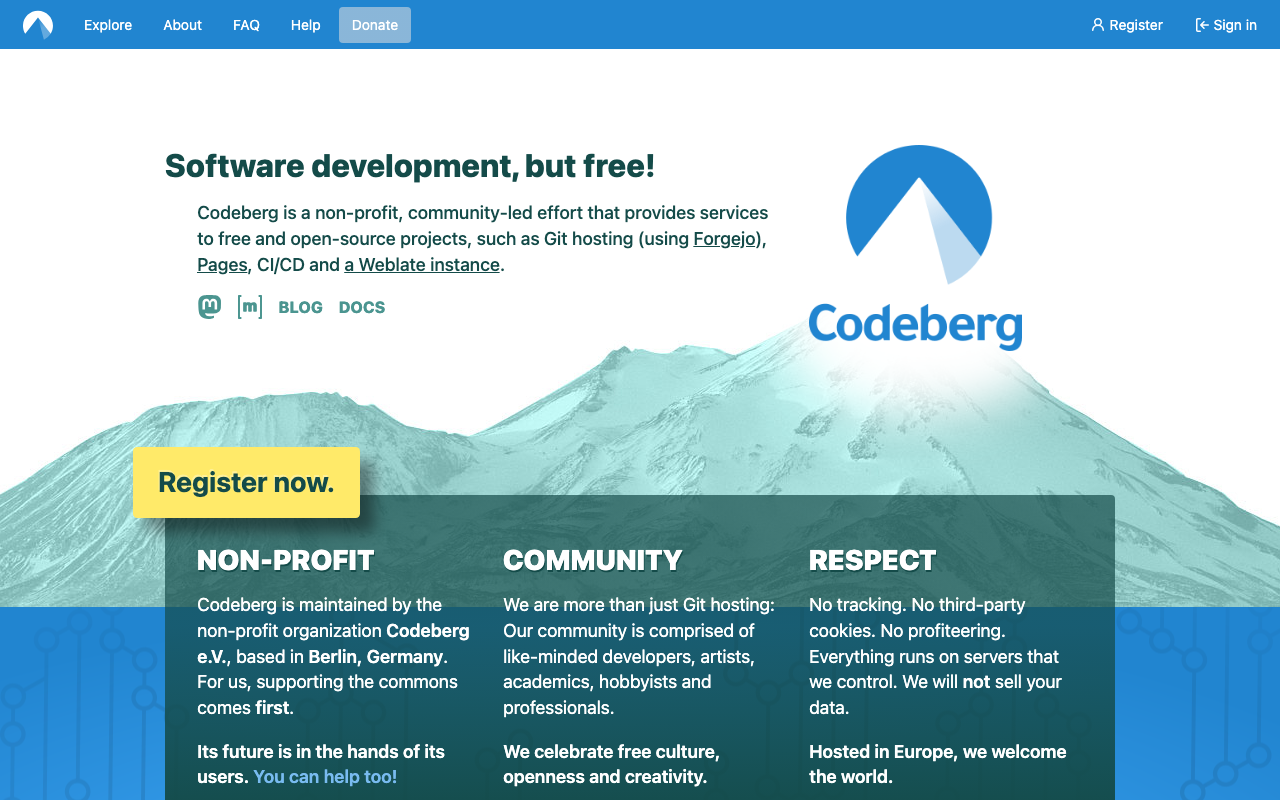
Codeberg

Non-profit community-driven code hosting from Germany

Try Codeberg

Looking for Alternatives?

Where These Products Host Data

Other GDPR-Compliant Categories

Related Pages