GDPR-Compliant Online Databases
Databases are where your most structured and queryable personal data lives, from customer records to employee information. GDPR mandates strict controls on who can access this data and where it is stored. European database providers offer transparent data processing agreements, EU-only storage, and full compliance with the right to erasure and data portability requirements.
GDPR Compliance Checklist
Compliant Products (5)
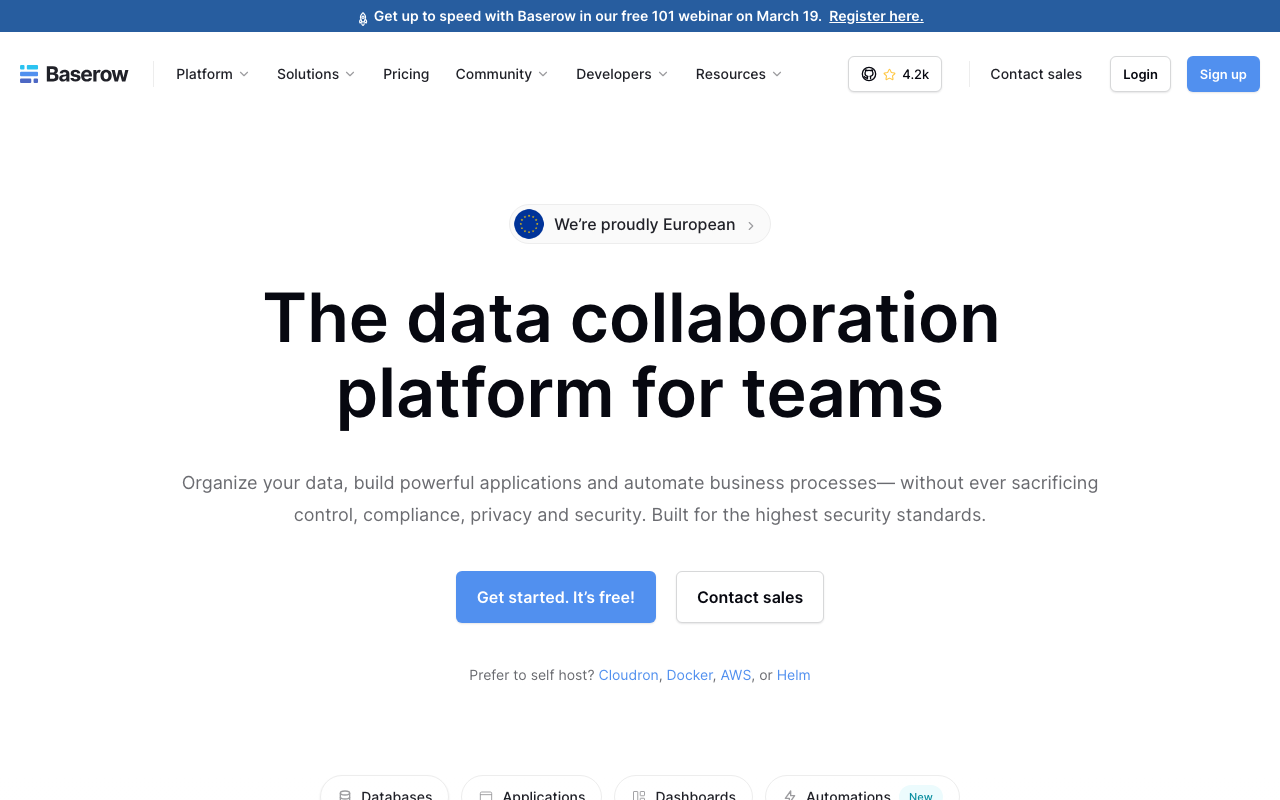

Baserow
Open source no-code database platform
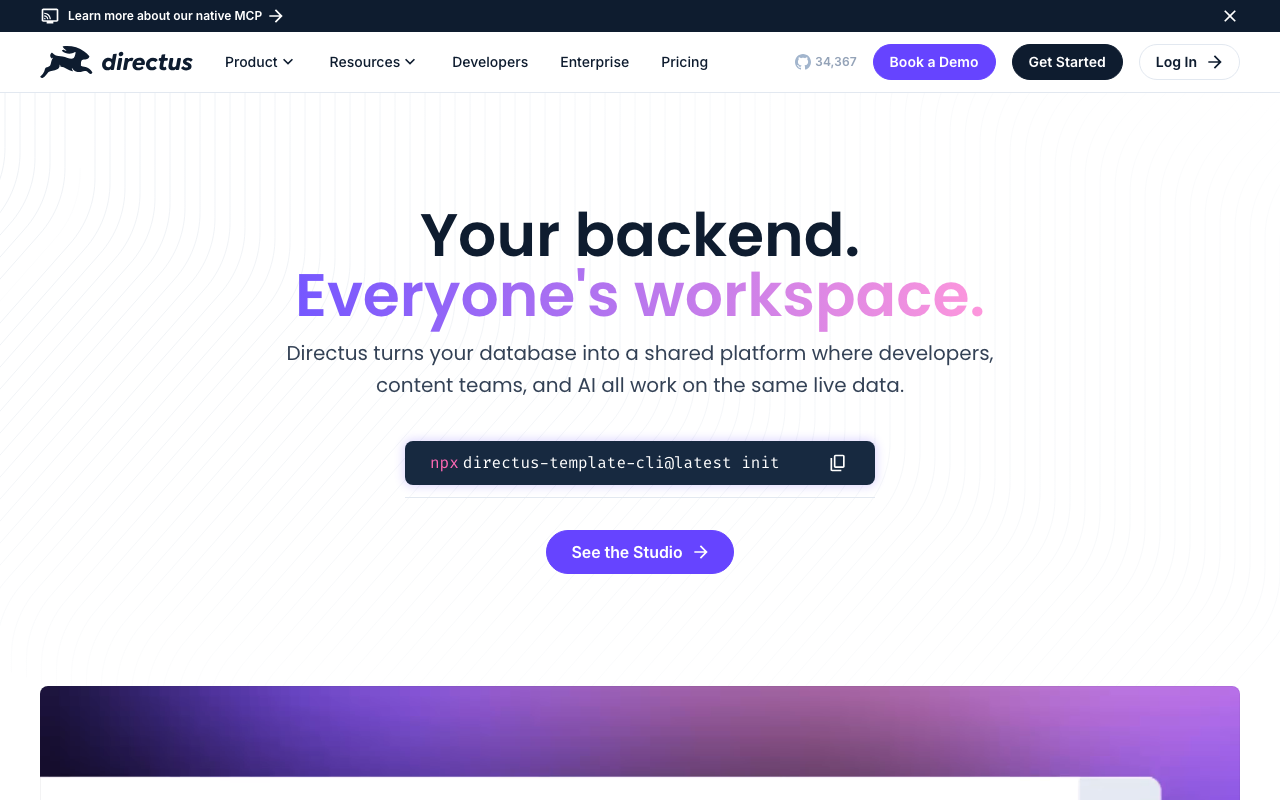

Directus
Open source headless CMS and data platform
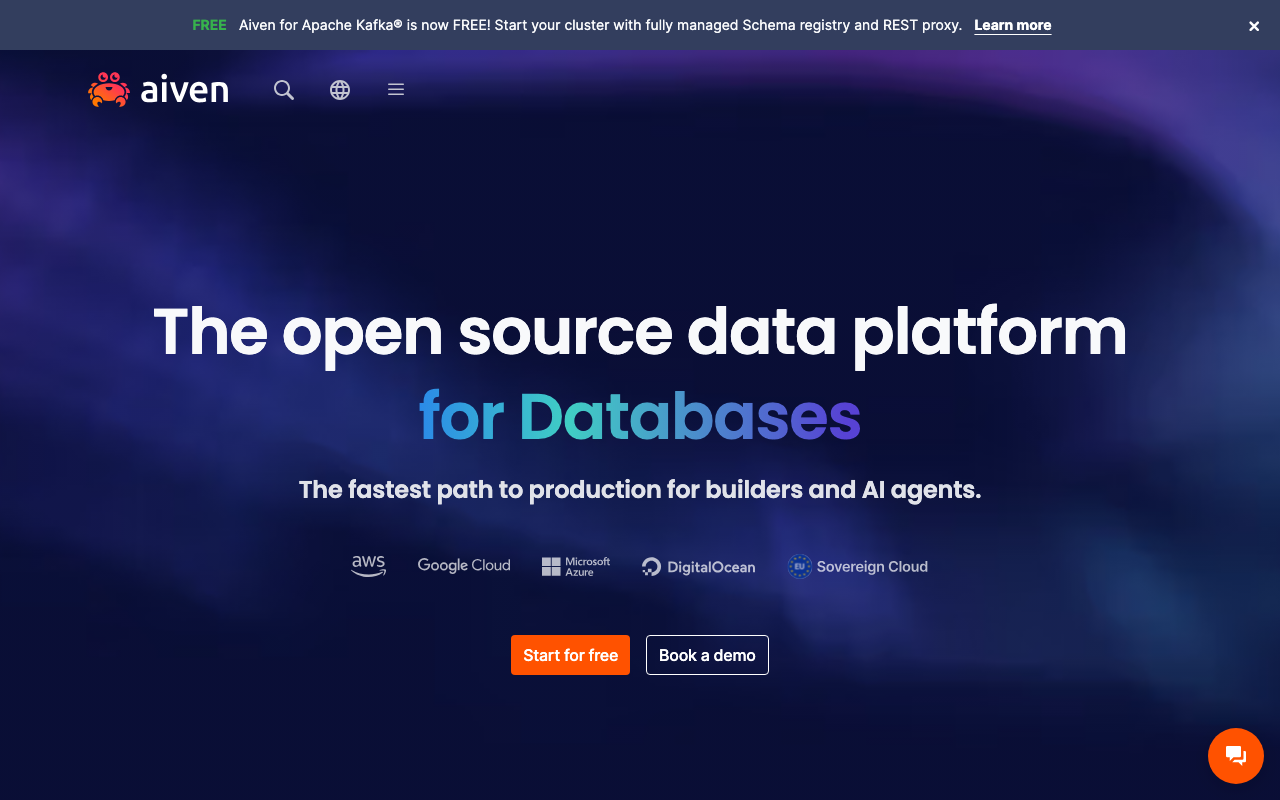

Aiven
Managed open source database and streaming platform from Finland
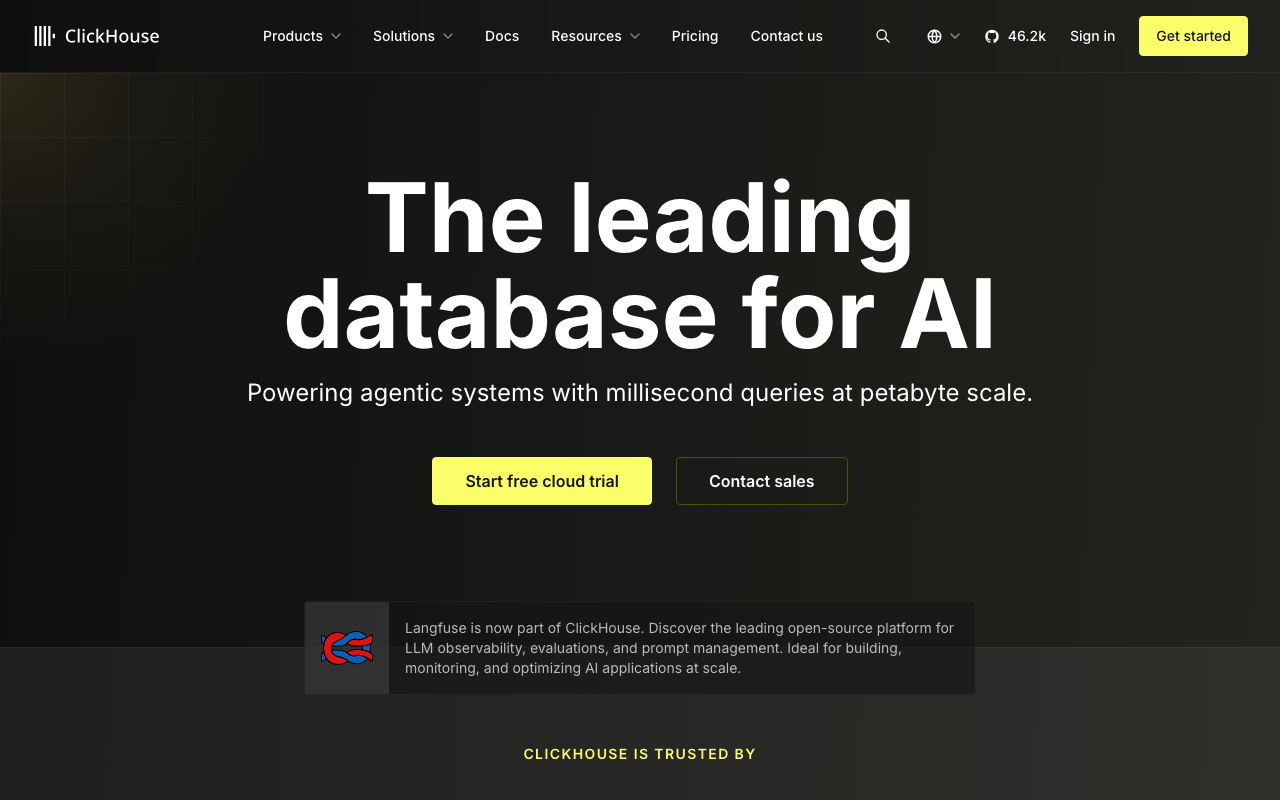

ClickHouse
Open source column-oriented database for real-time analytics
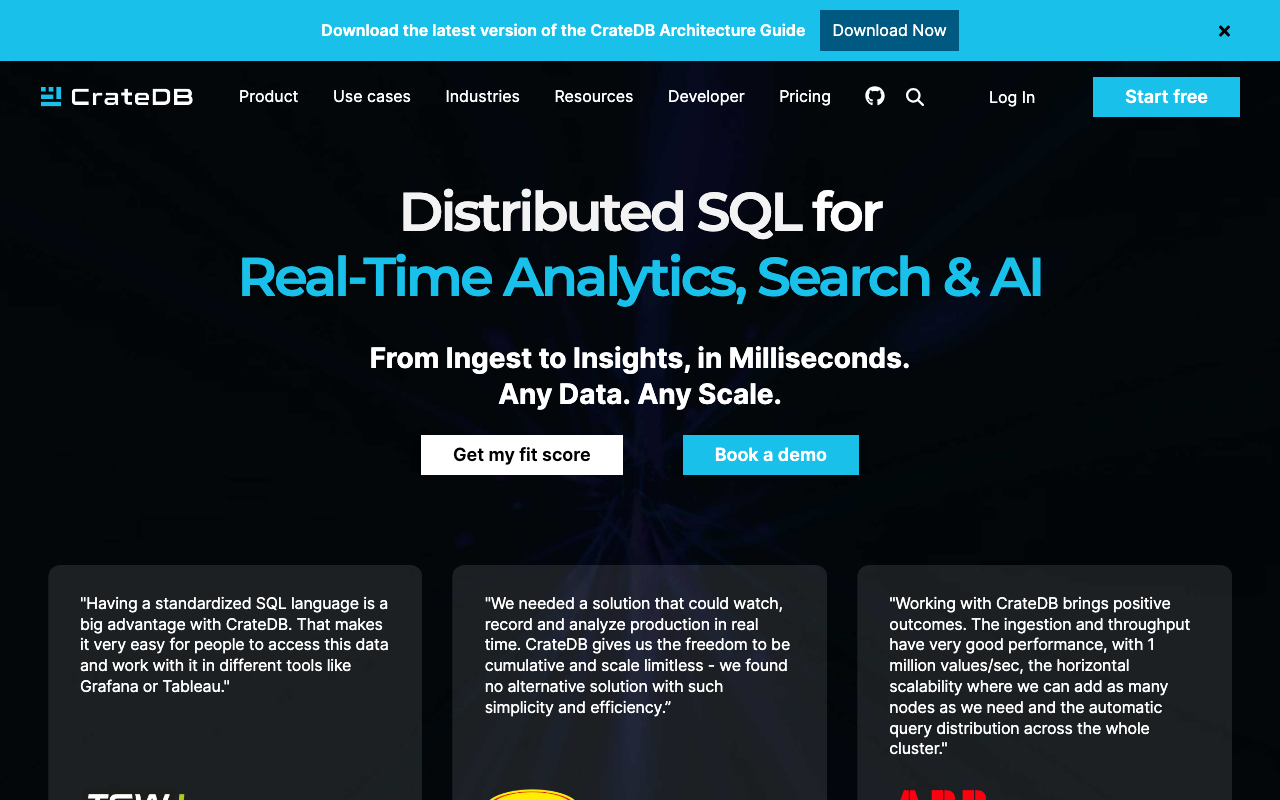

CrateDB
Distributed SQL database for time-series and IoT data from Austria
What Makes a Online Databases GDPR Compliant?
Can I use Airtable or Firebase if I store personal data of EU citizens?
How do European database providers handle the right to erasure and data portability?
Is a self-hosted database on EU infrastructure better than a managed EU database service?
Get Started
Looking for Alternatives?
Where These Products Host Data
Other GDPR-Compliant Categories
Discover GDPR-compliant European file storage alternatives to Google Drive and Dropbox. Keep your data in the EU.
Find European email hosting providers with end-to-end encryption and GDPR compliance. Secure alternatives to Gmail and Outlook.
European cloud hosting and IaaS alternatives to AWS, Azure, and Google Cloud with full EU data residency.
GDPR-compliant European alternatives to Slack, Teams, and Zoom for secure team collaboration and messaging.
Related Pages
Browse all online databases products
Open source no-code database platform
Open source headless CMS and data platform
Managed open source database and streaming platform from Finland
Open source column-oriented database for real-time analytics
Distributed SQL database for time-series and IoT data from Austria