GDPR-Compliant E-Commerce
E-commerce platforms process an exceptionally wide range of personal data: customer names, shipping addresses, email addresses, phone numbers, payment details, purchase histories, browsing behavior, and often sensitive information like clothing sizes or dietary preferences. Under GDPR, this data requires strong protection, clear consent mechanisms, and the ability to fulfill data subject rights including the right to erasure and data portability. When your online store runs on a US-based platform like Shopify, all of this customer data is processed under US jurisdiction. European e-commerce platforms store customer and transaction data exclusively within the EU, integrate with European payment processors, and build GDPR compliance into their checkout flows by default.
GDPR Compliance Checklist
Compliant Products (4)
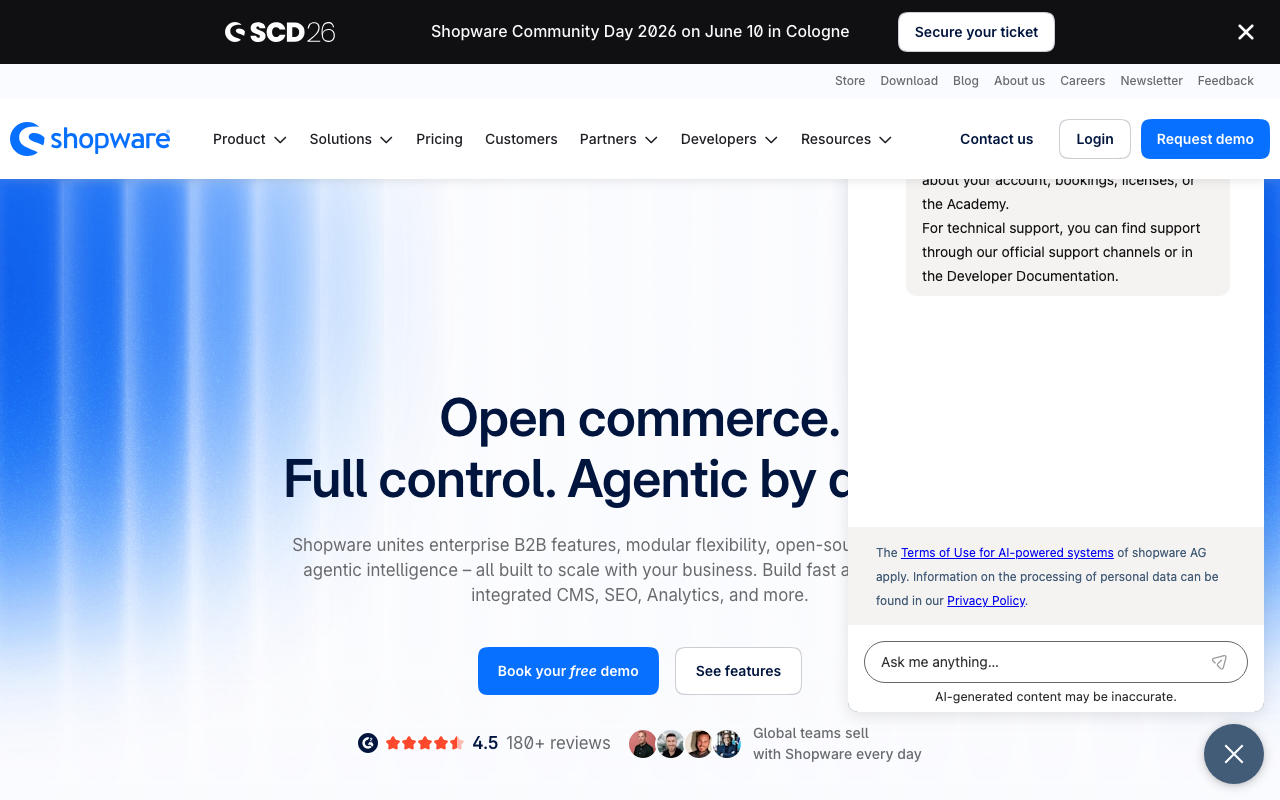

Shopware
Open source e-commerce platform from Germany
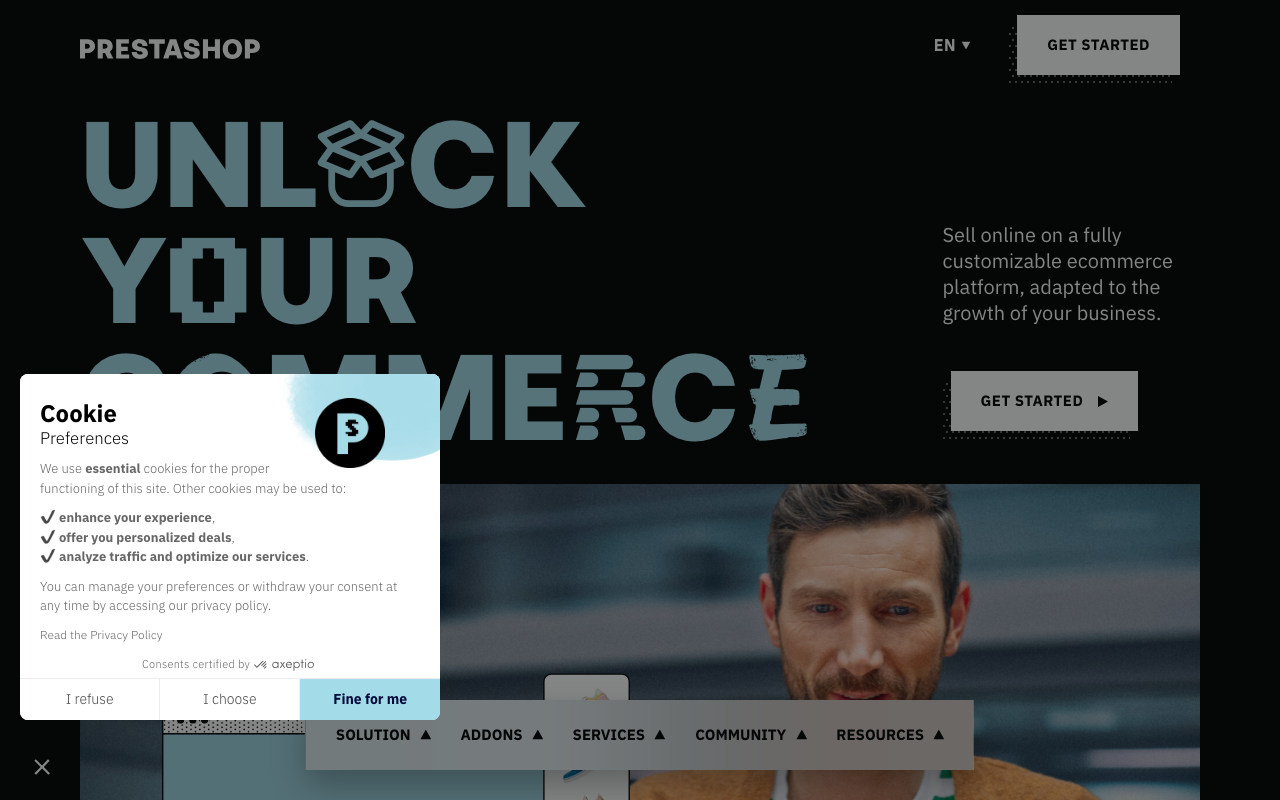

PrestaShop
Open source e-commerce for everyone
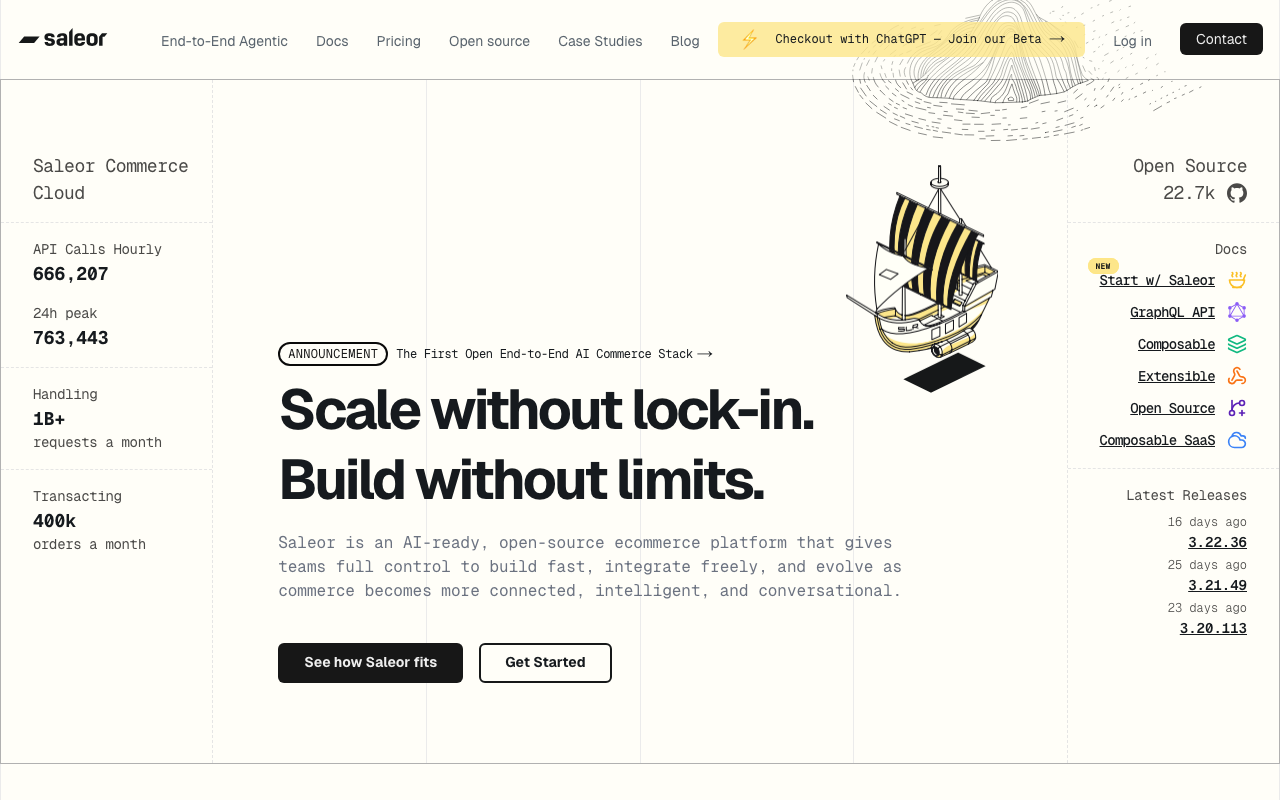

Saleor
Open source headless e-commerce platform from Poland


Medusa
Open source headless commerce engine from Denmark
What Makes a E-Commerce GDPR Compliant?
Is Shopify GDPR-compliant for European online stores?
How do European e-commerce platforms handle payment data under GDPR?
Can I migrate an existing Shopify store to a European e-commerce platform?
Get Started
Looking for Alternatives?
Where These Products Host Data
Other GDPR-Compliant Categories
Discover GDPR-compliant European file storage alternatives to Google Drive and Dropbox. Keep your data in the EU.
Find European email hosting providers with end-to-end encryption and GDPR compliance. Secure alternatives to Gmail and Outlook.
European cloud hosting and IaaS alternatives to AWS, Azure, and Google Cloud with full EU data residency.
GDPR-compliant European alternatives to Slack, Teams, and Zoom for secure team collaboration and messaging.