GDPR-Compliant Monitoring & Observability
Application logs and monitoring data are a frequently overlooked source of personal data. Error logs contain user email addresses, request logs include IP addresses and session tokens, database query logs expose customer records, and stack traces may reveal API keys and user identifiers. Monitoring platforms ingest massive volumes of this data continuously, making them one of the largest personal data processing activities in any technology organisation. When your monitoring platform is operated by a US company like Datadog or New Relic, every log line, trace, and metric containing personal data is processed on US infrastructure. European monitoring platforms keep your observability data within the EU, ensuring that the personal data flowing through your logs and metrics is protected by GDPR. This is especially important because log data is often retained for weeks or months for debugging purposes, creating a persistent store of personal data that requires GDPR-compliant retention and deletion policies.
GDPR Compliance Checklist
Compliant Products (3)
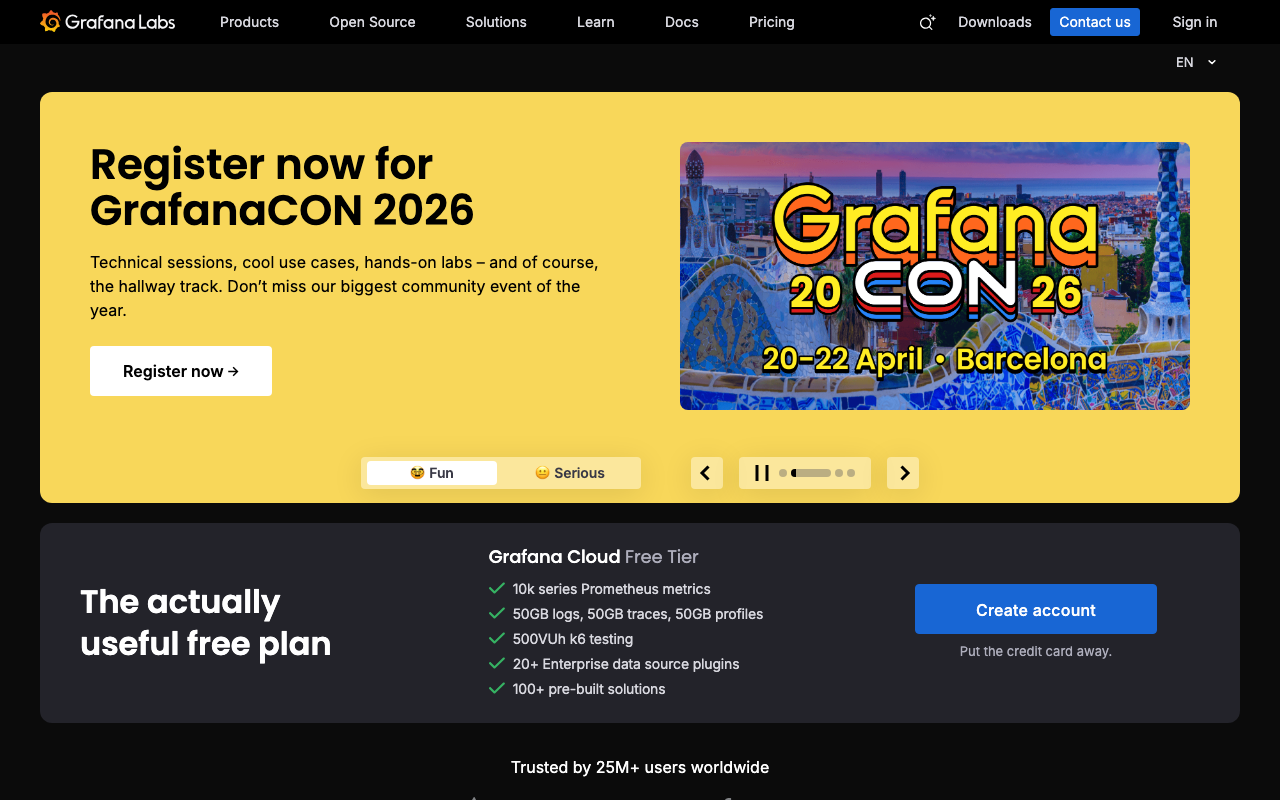

Grafana Labs
Open source observability platform for metrics, logs, and traces
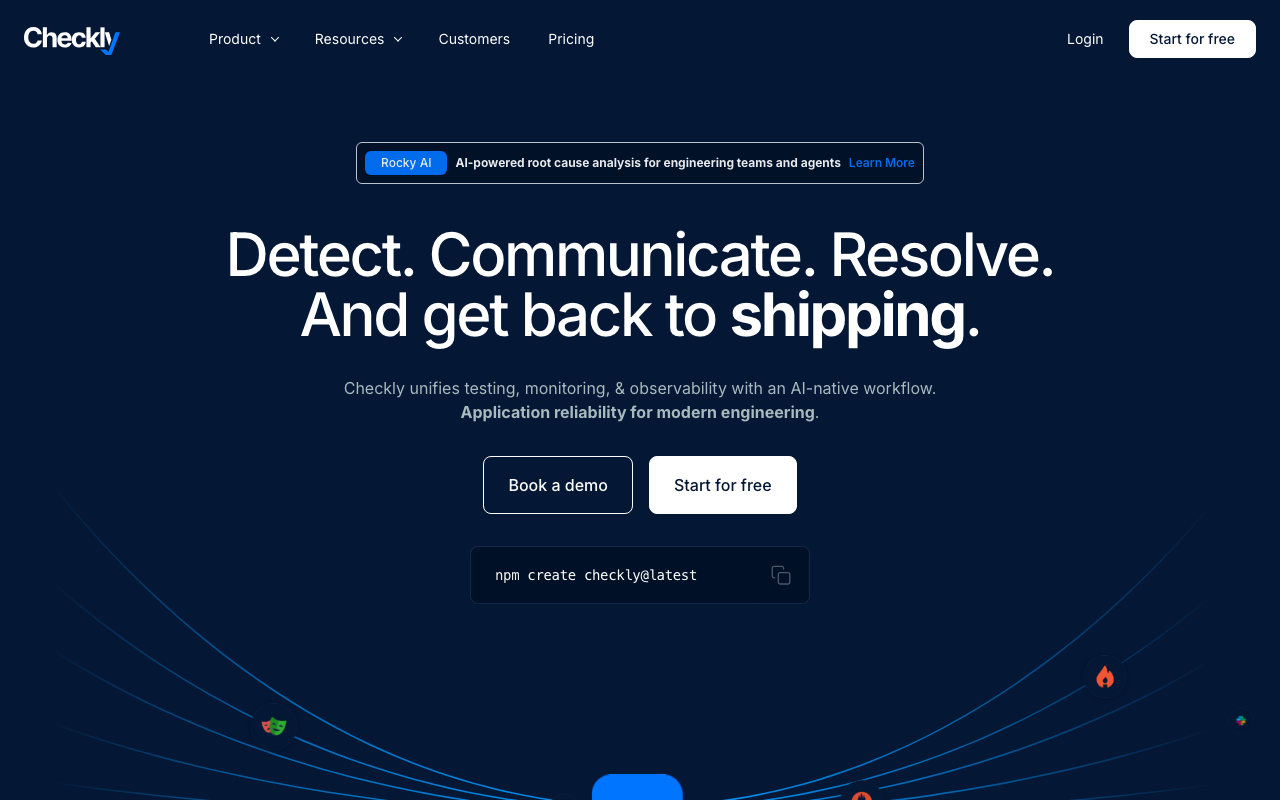

Checkly
Developer-first synthetic monitoring and testing platform from Europe
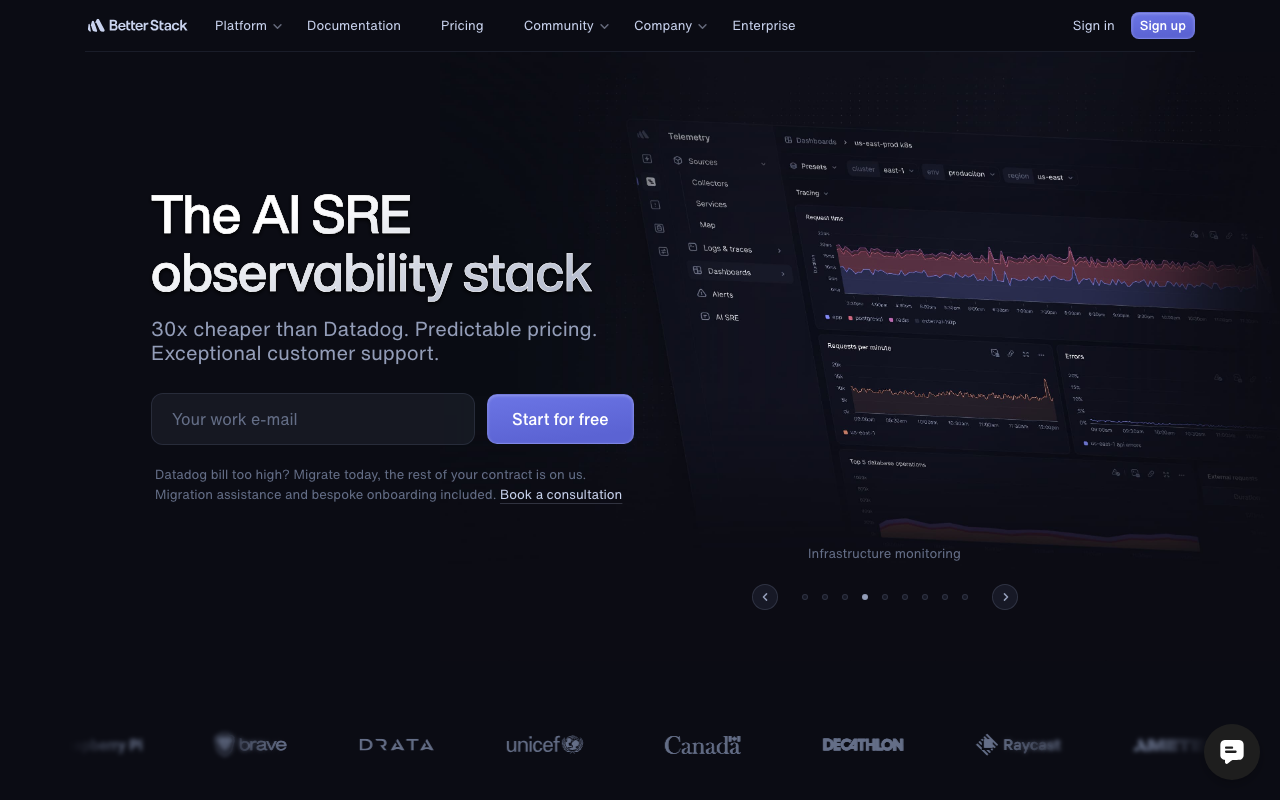

Better Stack
Czech all-in-one observability platform for uptime, logs, and incidents
What Makes a Monitoring & Observability GDPR Compliant?
Do application logs really contain personal data under GDPR?
Can European monitoring tools handle the scale of Datadog or New Relic?
How should we handle log retention under GDPR?
Get Started
Better Stack
Czech all-in-one observability platform for uptime, logs, and incidents
Try Better StackLooking for Alternatives?
Where These Products Host Data
Other GDPR-Compliant Categories
Discover GDPR-compliant European file storage alternatives to Google Drive and Dropbox. Keep your data in the EU.
Find European email hosting providers with end-to-end encryption and GDPR compliance. Secure alternatives to Gmail and Outlook.
European cloud hosting and IaaS alternatives to AWS, Azure, and Google Cloud with full EU data residency.
GDPR-compliant European alternatives to Slack, Teams, and Zoom for secure team collaboration and messaging.
Related Pages
Browse all monitoring & observability products
Open source observability platform for metrics, logs, and traces
Developer-first synthetic monitoring and testing platform from Europe
Czech all-in-one observability platform for uptime, logs, and incidents